Why choose an SMS Qualified Saddle Fitter?
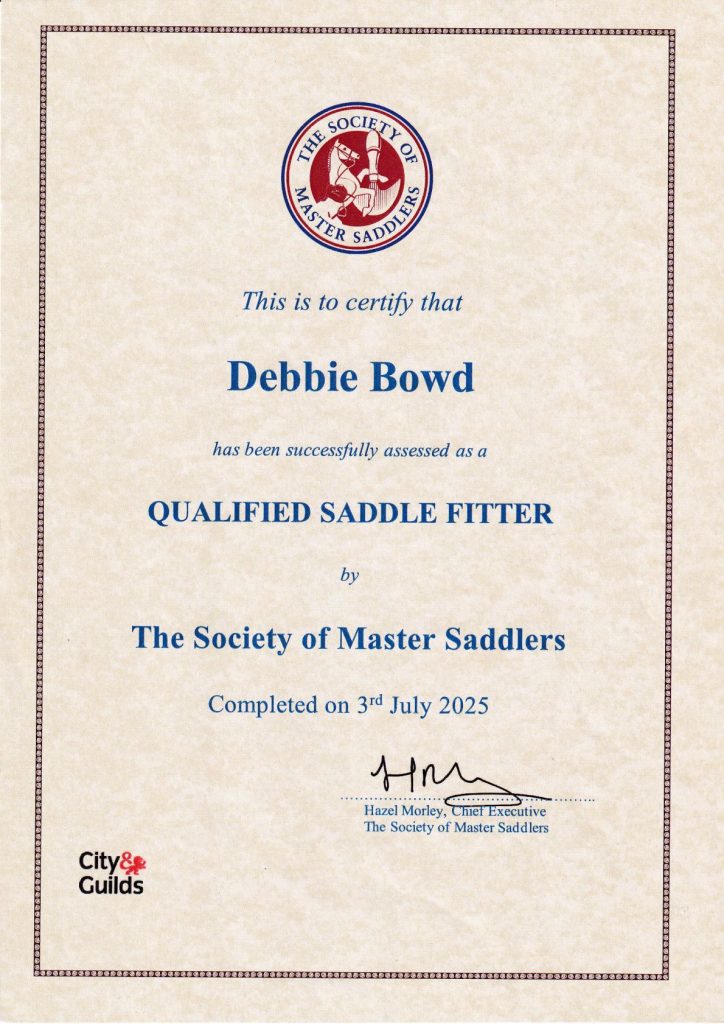
SMS (Society of Master Saddlers) qualified fitters are trained to recognised industry standards, ensuring your horse’s welfare and saddle performance are the top priority.
Comfort, balance, and performance all start with the right fit.
What happens during an SMS Qualified Saddle Fit with DB Equine?
At DB Equine, every saddle fitting is carried out using a whole-horse approach. As an SMS Qualified Saddle Fitter, Equine Sports Massage Therapist, and LANTRA Bit & Bridle Consultant, Debbie looks at the complete picture—because saddle fit is only one part of your horse’s comfort and performance.
Here’s what you can expect during your appointment:
1. Full Horse Assessment
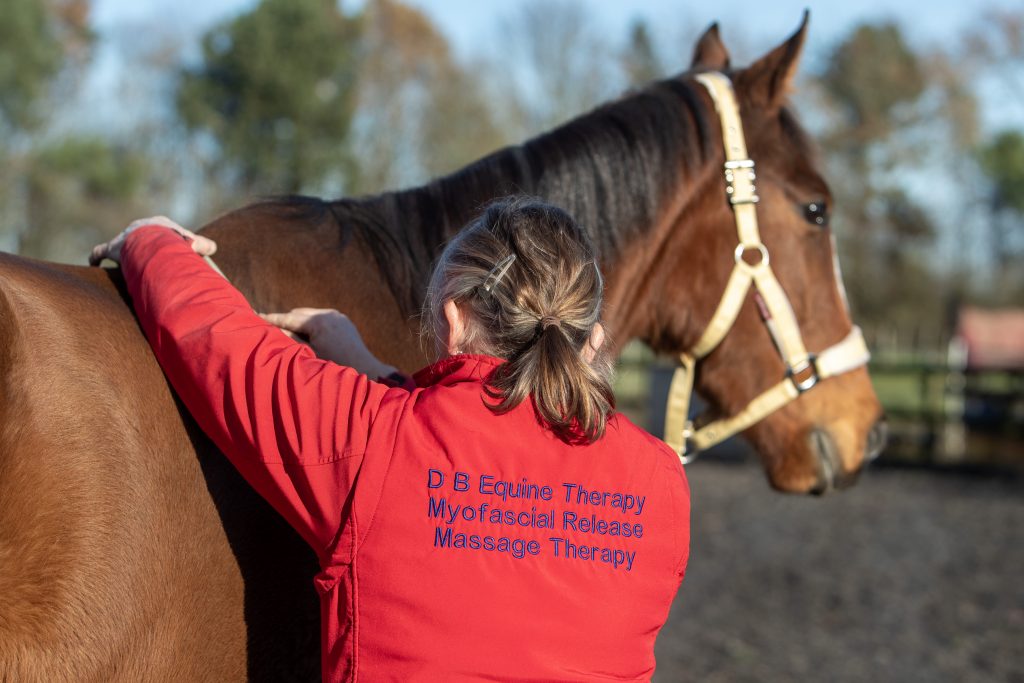
We begin with a static assessment of your horse.
This includes:
- Conformation and posture
- Muscle development and symmetry
- Areas of tension or soreness
- Changes in condition or weight
This helps identify any underlying issues that may affect saddle fit.
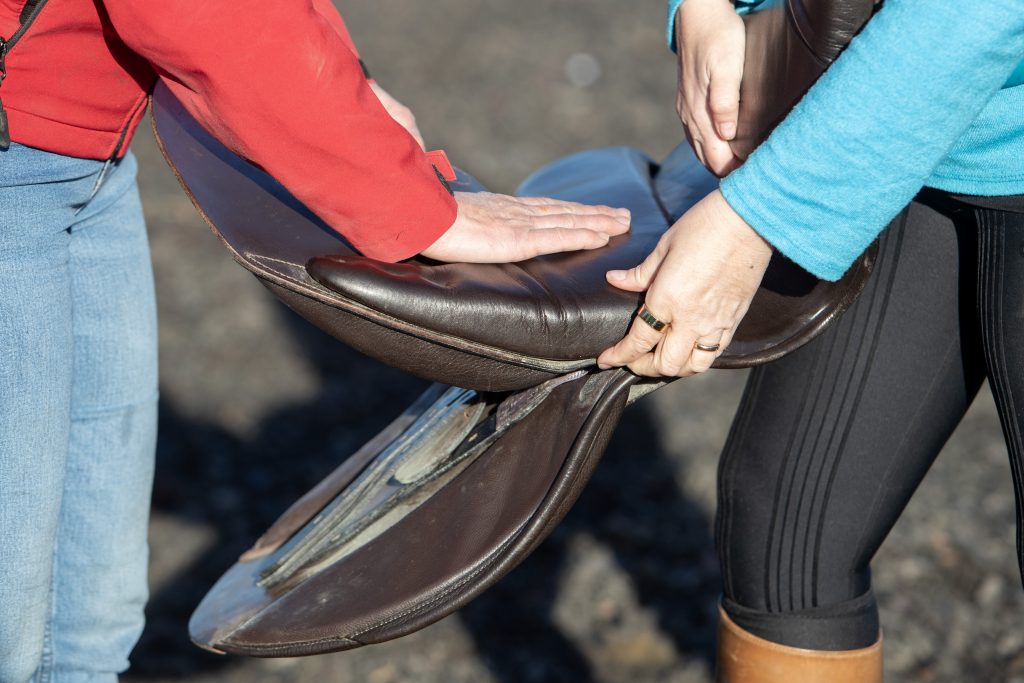
2. Saddle Check (Off the Horse)
Your current saddle is assessed for:
- Tree width and shape
- Panel condition and flocking
- Balance and symmetry
- General wear and safety
3. Static Fit Assessment (On the Horse)
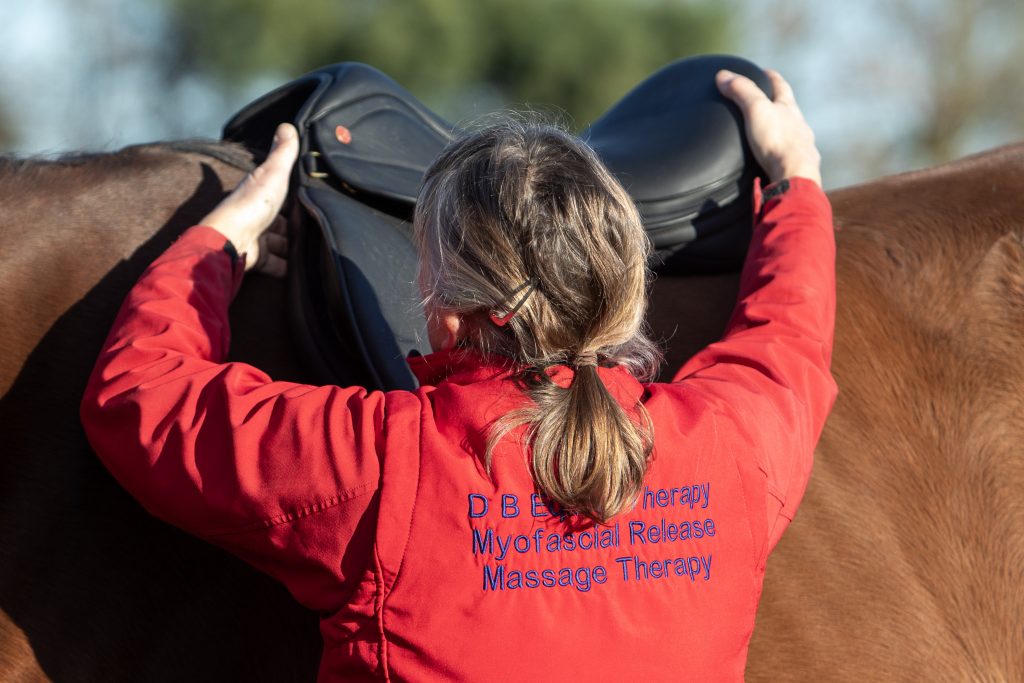
The saddle is placed on your horse without pads so we can check:
- Wither and spinal clearance
- Panel contact and pressure distribution
- Balance from front to back
- Shoulder and scapula freedom
4. Dynamic Assessment (Ridden Work)
You will be asked to ride so we can see:
- How the saddle moves with the horse
- Rider balance and position
- Any signs of restriction or discomfort
- How horse and rider work together in motion
This is a crucial stage, as many issues only appear when the horse is working.
5. Adjustments or Recommendations
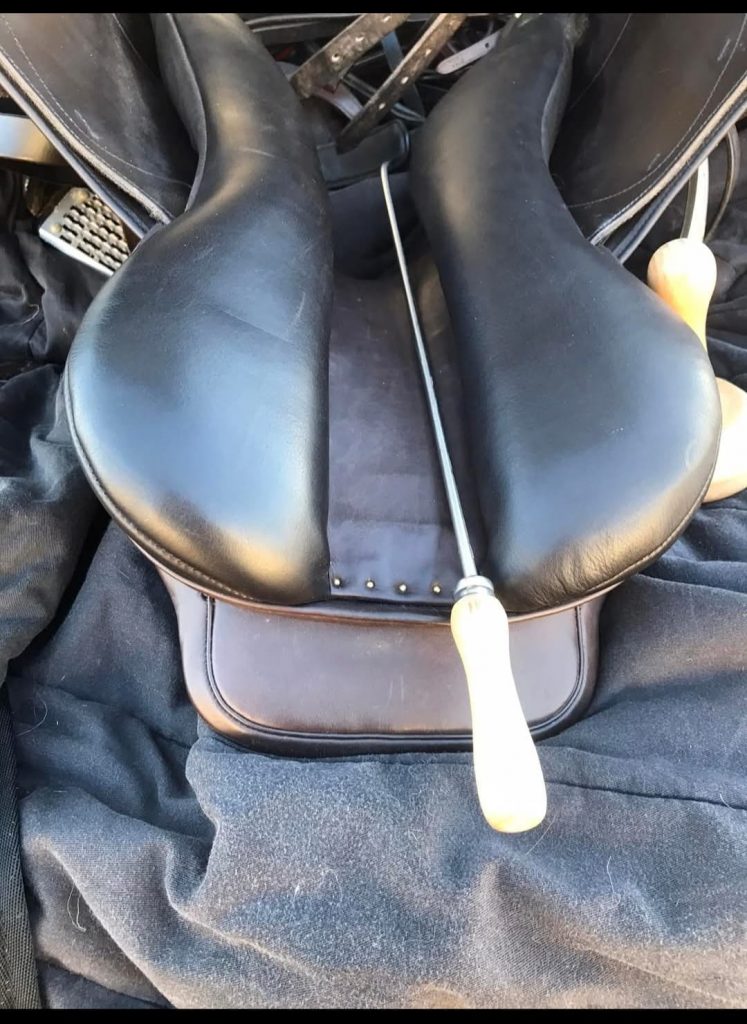
Where possible, on-site adjustments may be made, including:
- Flocking adjustments
- Saddle balance corrections
If a different saddle is required, suitable options will be discussed and trialled where appropriate.
6. Whole-Horse Discussion
As part of the DB Equine approach, we also consider:
- Bridle and bit comfort
- Muscle condition and tension
- Rider balance and fitness
- Management or training factors
This ensures the best possible outcome for both horse and rider.
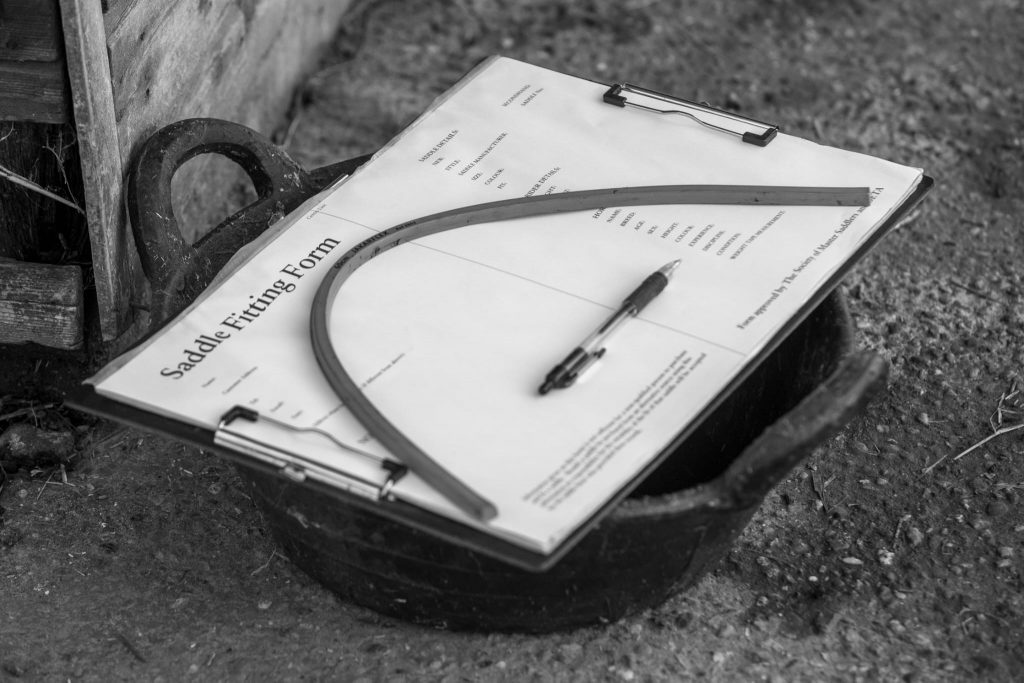
7. Aftercare & Follow-Up
You’ll receive:
- Clear advice and findings from the appointment
- Guidance on maintenance and rechecks
- Ongoing support if needed